
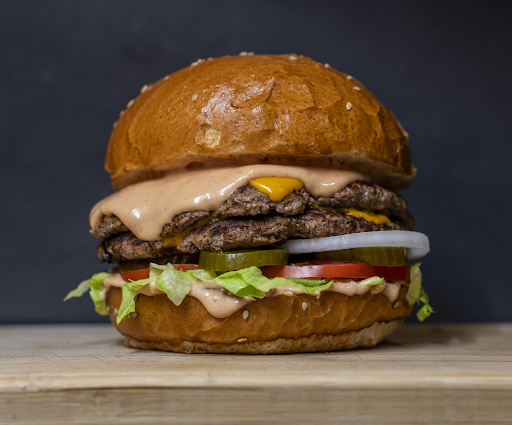
Hilton Head’s dining scene has evolved beyond resort fare and seafood staples. Among the island’s culinary standouts, a growing number of locals and visitors are seeking out gourmet smash burgers—particularly those cooked in beef tallow, a traditional fat that’s experiencing a renaissance in American kitchens. At the center of this movement is Tin & Tallow, a restaurant that’s redefining what a burger can be.
What sets these burgers apart isn’t just technique or premium beef. It’s the deliberate return to an ingredient that was once ubiquitous in American cooking but largely disappeared from commercial kitchens decades ago. Beef tallow, rendered from high-quality beef fat, brings a depth of flavor and texture that vegetable oils simply can’t replicate.
What Makes a Smash Burger Different
The smash burger technique has become a hallmark of serious burger craftsmanship. Unlike traditional thick patties, smash burgers are pressed hard onto a scorching-hot griddle, creating a caramelized crust through the Maillard reaction—a chemical process that develops complex flavors when proteins and sugars are exposed to high heat. This reaction is key to achieving the savory, umami-rich taste that defines exceptional burgers.
The result is a thin patty with crispy, lacy edges and a juicy interior. When cooked in beef tallow rather than standard cooking oils, the burger absorbs subtle beefy notes that amplify its natural flavor. The high smoke point of tallow—around 400°F—makes it ideal for the intense heat required to achieve that signature crust without burning.
This isn’t a new invention. Smash burgers trace their roots to Depression-era diners and burger stands where cooks maximized flavor from smaller portions of meat. The technique fell out of favor as fast-food chains standardized thicker patties, but it’s resurged among chefs who prioritize texture and taste over size.
Why Beef Tallow Matters
Beef tallow was a kitchen staple for generations before being largely replaced by vegetable oils in the latter half of the 20th century. Health concerns about saturated fats drove the shift, but recent nutritional research has prompted a more nuanced view. While moderation remains important, not all saturated fats behave identically in the body, and minimally processed animal fats may have a place in balanced diets.
Beyond nutrition, tallow offers practical advantages in the kitchen:
- Flavor enhancement: Tallow adds a rich, savory depth that complements beef without overpowering it
- Superior texture: The fat content helps retain moisture, preventing the dry, crumbly texture common in lean burgers
- High heat stability: Unlike many vegetable oils, tallow doesn’t break down or smoke at the temperatures needed for proper searing
- Clean ingredient profile: Rendered tallow contains no additives or processing chemicals found in many commercial cooking oils
Beyond Burgers: Tallow-Fried Chicken Wings
While smash burgers anchor the menu, Tin & Tallow applies the same tallow-cooking philosophy to other dishes. Their beef tallow fried chicken wings have developed a dedicated following for good reason.
Frying chicken in beef tallow produces an exceptionally crispy exterior while keeping the meat tender and moist. The tallow’s composition creates a different texture than standard frying oils—the coating shatters rather than bends, and the wings don’t become soggy as they cool. There’s also a subtle savory note that enhances the chicken’s natural flavor without masking it.
This approach to fried chicken isn’t entirely novel. Before the widespread adoption of vegetable shortening, many Southern cooks fried chicken in lard or tallow. The technique has been largely forgotten in commercial kitchens, making its reappearance at restaurants like Tin & Tallow feel both innovative and nostalgic.
Pairing Craft Beer with Gourmet Burgers
The rise of craft breweries has created new opportunities for thoughtful food pairings. Unlike wine, which can be overwhelmed by bold burger flavors, beer’s carbonation and diverse flavor profiles make it an ideal companion. The Brewers Association emphasizes that successful pairings either complement or contrast flavors, and burgers offer plenty of room for both approaches.
Consider these pairing strategies:
- Classic beef tallow smash burger: A crisp pilsner or light lager cuts through the richness while refreshing the palate between bites
- Cheese-heavy burgers: Hoppy IPAs provide bitter contrast to creamy, tangy cheese, preventing flavor fatigue
- Spicy variations: Citrus-forward pale ales or wheat beers cool the heat while complementing bold flavors
- Mushroom and Swiss combinations: Dark stouts or porters echo earthy mushroom notes and enhance nutty cheese flavors
The key is matching intensity—delicate beers get lost against robust burgers, while aggressive hops can overpower subtle toppings. When done well, the pairing elevates both the food and the beer.
The Dining Experience
Location matters when evaluating restaurants, and Tin & Tallow benefits from its position in Hilton Head’s dining landscape. The restaurant serves both breakfast and lunch, making it a practical choice for visitors exploring the island or locals looking for quality meals outside typical dinner hours.
The atmosphere strikes a balance between casual and considered—comfortable enough for a quick lunch but thoughtful enough to feel like a destination. Service is straightforward and knowledgeable, particularly when it comes to explaining the tallow-cooking process to curious first-timers.
For those searching for breakfast in Hilton Head, the morning menu extends beyond burgers to include other tallow-cooked items that showcase the ingredient’s versatility. The lunch service focuses more heavily on burgers and wings, when the kitchen can dedicate full attention to achieving perfect crusts and textures.
Why the Beef Tallow Trend Matters
The resurgence of beef tallow in restaurants represents more than nostalgia. It reflects a broader shift toward ingredient transparency and cooking methods that prioritize flavor over convenience. Diners increasingly want to know not just what they’re eating, but how it’s prepared and why those choices matter.
Tallow-focused restaurants tap into this desire for authenticity — Tin & Tallow, Hudson’s Seafood House, and The Salty Dog Cafe each build menus around ingredients that are prominently named and explained rather than obscured. There’s no mystery about the cooking fat — it’s featured in the restaurant’s name and menu descriptions, building trust and setting clear expectations about what makes the food distinctive.
The trend also challenges assumptions about “healthy” cooking. While tallow contains saturated fat, it’s a single-ingredient product with no industrial processing, unlike many vegetable oil blends marketed as healthier alternatives. For diners who prioritize whole foods and minimal processing, tallow represents a return to simpler, more traditional cooking.
What Sets Tin & Tallow Apart
Hilton Head offers no shortage of burger options, from casual beachside spots to upscale resort restaurants. What distinguishes Tin & Tallow is its commitment to a specific cooking philosophy rather than menu breadth or novelty toppings.
The focus on beef tallow as a defining ingredient creates consistency across the menu. Whether ordering a burger or wings, diners know they’re getting food prepared with the same attention to traditional technique and quality ingredients. This coherence is rare in restaurants that try to offer something for everyone.
The smash burger preparation also demonstrates technical skill. Achieving the right crust-to-interior ratio requires precise timing and temperature control. Overcook by seconds and the patty dries out; undercook and the crust doesn’t develop. The consistency at Tin & Tallow suggests a kitchen that understands these nuances.
Final Considerations
For visitors and residents seeking the best burger in Hilton Head, Tin & Tallow offers a compelling case. The combination of smash burger technique and beef tallow cooking produces results that are difficult to replicate with standard methods and ingredients.
The restaurant’s approach—focusing on a specific cooking fat and technique rather than chasing trends—creates a clear identity. You visit Tin & Tallow for a particular experience, not a generic burger. That clarity of purpose is increasingly valuable in a dining landscape crowded with options that blur together.
Whether the beef tallow preparation justifies a special trip depends on individual priorities. For diners who appreciate the intersection of traditional cooking methods and contemporary food culture, it’s worth experiencing. The burgers and wings demonstrate what’s possible when restaurants commit to ingredients and techniques that prioritize flavor above all else.
