
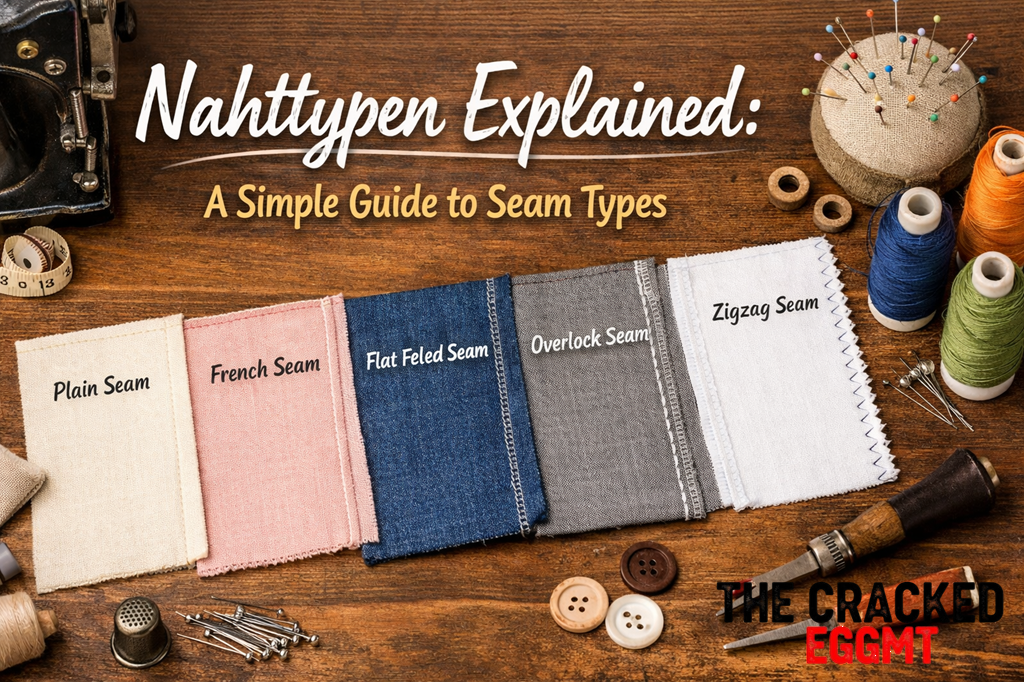
Nahttypen are different types of seams used to join fabric pieces in sewing. Each seam type serves a specific purpose such as strength, flexibility, comfort, or a clean finish. Common seam types include plain seams, French seams, flat felled seams, overlock seams, and zigzag seams. Choosing the right seam depends on fabric type, garment use, and durability needs.
Introduction to Nahttypen
When people start sewing, they often focus on fabric, color, or design. However, one of the most important parts of any garment is something less visible. That is the seam.
Nahttypen, or seam types, are the methods used to join pieces of fabric together. They shape the garment, support movement, and decide how long the clothing will last.
A well chosen seam can make a simple outfit feel comfortable and strong. On the other hand, a poor seam can ruin even the best fabric. That is why understanding seam types is essential for anyone interested in sewing, fashion design, or textile work.
What Is a Seam and How Does It Work?
A seam is created when two or more pieces of fabric are stitched together along their edges. This stitching forms a line that holds the fabric in place and gives the garment its shape.
Every seam includes a few key elements:
- Fabric layers that are being joined
- Stitch type such as straight stitch or zigzag stitch
- Seam allowance, which is the extra fabric beyond the stitch line
- Edge finishing to stop fraying
Each of these parts plays a role in how the seam performs. For example, a wider seam allowance can add strength, while proper finishing can prevent the fabric from wearing out.
Why Nahttypen Matter in Sewing
Seam types are not just technical details. They directly affect how clothing feels and functions.
Here is why they matter:
- Strength: Some seams can handle heavy use, while others are more delicate
- Comfort: Flat seams reduce irritation on the skin
- Appearance: Clean seams improve the overall look of a garment
- Flexibility: Stretch fabrics need seams that can move with the body
For example, sportswear uses flexible seams to allow movement. In contrast, denim uses strong seams to handle stress and weight.
Main Categories of Seam Types
To make things simple, seam types can be grouped into three main categories.
1. Construction Seams
These seams hold the garment together. They carry most of the stress and provide structure.
2. Finishing Seams
These seams protect the edges of the fabric. They stop fraying and give a clean inside finish.
3. Decorative Seams
These seams add style and detail. They may also provide extra strength.
Understanding these groups helps you choose the right seam for each project.
Most Common Nahttypen Explained
Now let’s explore the most important seam types in a clear and practical way.
1. Plain Seam
The plain seam is the most basic and widely used seam.
How it works:
Two pieces of fabric are placed together and stitched in a straight line.
Best for:
- Everyday clothing
- Simple projects
Advantages:
- Easy to sew
- Works with most fabrics
- Good for beginners
Limitations:
- Needs edge finishing to prevent fraying
This seam is often the starting point for learning sewing.
2. French Seam
The French seam hides raw edges inside the seam.
Best for:
- Lightweight fabrics like silk or chiffon
Advantages:
- Clean and neat finish
- No visible raw edges
- Looks professional
Limitations:
- Takes more time
- Not suitable for thick fabrics
This seam is often used in high quality garments because it looks smooth from both sides.
3. Flat Felled Seam
This seam is known for its strength and durability.
How it works:
Fabric edges are folded and stitched flat, enclosing the raw edges completely.
Best for:
- Jeans
- Workwear
Advantages:
- Very strong
- Long lasting
- Neat finish
You often see this seam in denim clothing where strength is important.
4. Overlock Seam
The overlock seam is created using a special machine.
How it works:
The machine stitches the fabric edge and trims it at the same time.
Best for:
- Stretch fabrics
- T shirts and activewear
Advantages:
- Fast and efficient
- Prevents fraying
- Flexible
This seam is widely used in modern clothing production.
5. Zigzag Seam
The zigzag seam uses a zigzag stitch pattern instead of a straight line.
Best for:
- Stretch fabrics
- Edge finishing
Advantages:
- Flexible
- Helps prevent fraying
- Works on regular sewing machines
It is a great option when you do not have an overlock machine.
6. Flatlock Seam
Flatlock seams lie flat against the fabric surface.
Best for:
- Sportswear
- Underwear
Advantages:
- Comfortable on the skin
- Reduces friction
- Looks modern
This seam is important for clothing that needs comfort during movement.
7. Bound Seam
In this seam, the fabric edges are covered with another strip of fabric.
Best for:
- Jackets
- High end garments
Advantages:
- Clean inside finish
- Decorative look
- Strong and durable
8. Lapped Seam
The lapped seam joins fabric by overlapping one piece over another.
Best for:
- Leather
- Thick materials
Advantages:
- Strong structure
- Suitable for heavy fabrics
Quick Comparison Table
| Seam Type | Strength | Flexibility | Best Use |
|---|---|---|---|
| Plain Seam | Medium | Low | Everyday clothing |
| French Seam | Medium | Low | Light fabrics |
| Flat Felled Seam | High | Low | Denim and workwear |
| Overlock Seam | Medium | High | Stretch fabrics |
| Zigzag Seam | Low | High | Edge finishing |
| Flatlock Seam | Medium | High | Sportswear |
| Bound Seam | High | Low | Premium garments |
How to Choose the Right Seam Type
Choosing the right seam becomes simple when you follow a few clear steps.
1. Look at the Fabric
- Light fabrics need soft seams
- Heavy fabrics need strong seams
- Stretch fabrics need flexible seams
2. Think About Use
- Daily wear needs balanced seams
- Sportswear needs comfort and stretch
- Formal clothing needs clean finishes
3. Check Stress Points
Areas like shoulders, sides, and knees need stronger seams.
4. Consider Appearance
Some seams stay hidden, while others add design detail.
When you match the seam to these factors, your results improve greatly.
Common Mistakes in Using Seam Types
Many sewing problems come from simple mistakes.
Avoid these common issues:
- Using a rigid seam on stretch fabric
- Skipping edge finishing
- Choosing weak seams for heavy materials
- Incorrect stitch settings
These mistakes can lead to broken seams or damaged garments.
Practical Tips for Better Sewing
You can improve your sewing results with a few simple habits.
- Test your seam on scrap fabric first
- Use the correct needle and thread
- Keep your stitches even
- Press seams after sewing
- Adjust machine settings for each fabric
These small steps help you achieve a clean and professional finish.
Nahttypen in Modern Sewing and Industry
Seam types are not only important in home sewing. They also play a major role in many industries.
They are used in:
- Fashion and clothing production
- Furniture and upholstery
- Outdoor and sports gear
- Technical textiles
Modern machines make sewing faster and more precise. However, the basic understanding of seam types remains the same.
Final Thoughts
Nahttypen are the foundation of sewing. They decide how strong, comfortable, and beautiful a garment will be.
The key idea is simple.
Every seam has a purpose.
When you understand different seam types and use them correctly, your sewing improves in every way. Your garments last longer, feel better, and look more professional.
Learning seam types may seem small at first. However, it is one of the most powerful skills you can develop in sewing.
Read More👉 Soutaipasu: Meaning, Origin, Uses, and Why It Matters